
Canada Work Permit LMIA 2026: New Rules & Processing Times

Quick answer: The Canada Work Permit LMIA 2026 process now runs under new provincial wage thresholds effective 17 July 2026, which decide whether an application is processed under the high-wage or low-wage stream. Low-wage applications remain blocked in high-unemployment cities like Toronto, though eight regions had this restriction lifted on 10 July 2026. Government data shows processing now averages around 12 business days for the Global Talent Stream, up to roughly 60 for high-wage, and considerably longer for permanent resident and low-wage streams.
If you’re an employer trying to hire from abroad, or a candidate waiting on a job offer, 2026 has brought two changes that directly affect your timeline: revised wage thresholds and a reshuffled list of regions where low-wage hiring is allowed. Neither change is cosmetic — both can shift an application from one processing stream to another, sometimes by weeks.
This guide breaks down exactly what changed, what current Canada work permit and LMIA processing times look like stream by stream, and how to structure your application to avoid the delays catching out employers this year. For a full walkthrough of eligible occupations and employer obligations, see our Canada LMIA Work Permit guide.
Not sure which LMIA stream applies to your job offer? Our advisers review it free.
WhatsApp an Adviser Start Your ApplicationTable of Contents
What’s New for Canada Work Permit LMIA 2026
The Temporary Foreign Worker Program has tightened in two directions this year. First, Employment and Social Development Canada (ESDC) raised the provincial and territorial wage thresholds that separate the high-wage stream from the low-wage stream, with the new figures taking effect for applications received on or after 17 July 2026. A job that qualified as high-wage last year can fall into the low-wage stream this year simply because the median wage benchmark moved — and the low-wage stream carries stricter recruitment, duration, and worker-cap rules.
Second, the government continues to review which cities are eligible for low-wage LMIA processing based on local unemployment. Regions with an unemployment rate at or above 6% remain closed to new low-wage applications, a rule that has been in place since September 2024 and is reassessed quarterly.
New Wage Thresholds: High-Wage vs Low-Wage Stream
Every LMIA is assessed under one of two wage streams, and the stream determines the entire compliance framework:
- High-wage stream — offered wage meets or exceeds the provincial/territorial median. Fewer restrictions on the proportion of foreign workers in a workplace, but a transition plan is required.
- Low-wage stream — offered wage falls below the median. Subject to a cap on the percentage of low-wage temporary foreign workers per worksite, mandatory return airfare and reasonable housing provisions, and blocked entirely in high-unemployment regions.
Because the thresholds increased in July 2026, some employers who budgeted for the high-wage stream now find the same role reclassified as low-wage — which means a different, more restrictive set of obligations applies. Confirming the current threshold for your province before advertising the role is essential; advertising against the wrong stream can void the 3-month recruitment window and force a restart.
Current LMIA & Work Permit Processing Times
ESDC publishes average LMIA processing times monthly, and they can swing significantly from one update to the next depending on application volume. The figures below reflect the most recently published government averages, in business days:
| Stream | Average processing time |
|---|---|
| Seasonal Agricultural Worker Program (SAWP) | ~10 business days |
| Global Talent Stream | ~12 business days |
| Agricultural stream | ~15 business days |
| Low-wage stream | ~48 business days |
| High-wage stream | ~60 business days |
| Permanent resident stream | Significantly longer — often 3+ months |
These are averages, not guarantees — an incomplete application, a missing recruitment summary, or a Request for Information from an officer can pause the clock entirely. Once the LMIA is approved, the foreign worker’s work permit application is a separate process with its own timeline, which varies by visa office and country of application. You can check the latest published figures directly on ESDC’s official LMIA processing times page, since the table is refreshed monthly and can move up or down between updates.
Applicants using the Global Skills Strategy on an LMIA-exempt or Global Talent Stream basis may qualify for two-week work permit processing, provided the application is submitted online and correctly flagged during the eligibility questionnaire.
Regions Affected by the 6% Unemployment Rule
Since September 2024, Service Canada has refused to process low-wage LMIA applications in census metropolitan areas where the unemployment rate sits at 6% or higher, and the list is reviewed every quarter. As of early 2026, Toronto remains on that blocked list, which affects a large share of GTA employers trying to hire below the low-wage threshold. There are limited exceptions for primary agriculture, certain healthcare roles, construction, and short-duration positions.
The list isn’t static in one direction only — on 10 July 2026, the restriction was lifted for eight regions, including Halifax and Winnipeg, reopening low-wage LMIA processing there with immediate effect. If your business is based in an affected city, it’s worth reconfirming eligibility before submitting, rather than assuming last quarter’s status still applies.
How to Apply for a Canada LMIA Work Permit
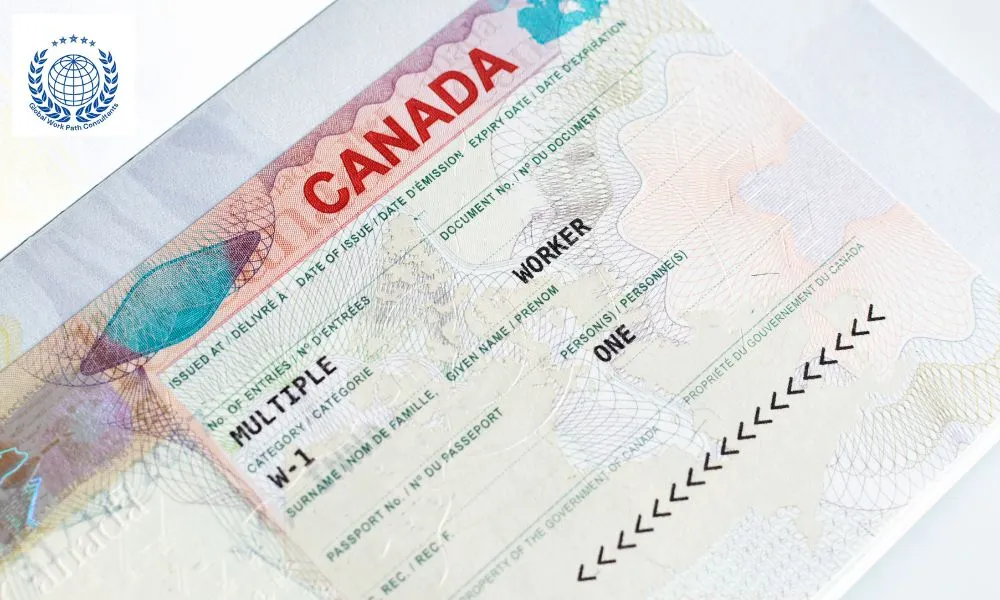
Understanding the mechanics of a Canada Work Permit LMIA 2026 application helps you plan realistic timelines and avoid resubmissions. Here’s the process from start to finish:
- Confirm the correct wage stream for the role using the current provincial threshold, before you advertise the position.
- Complete the mandatory recruitment — advertising runs from two weeks up to eight weeks depending on the stream, and must be completed in the three months before submission.
- Submit the LMIA application through LMIA Online with all supporting documents, wage details, and recruitment evidence — an incomplete application won’t start the processing clock.
- Receive the LMIA decision and, if positive, provide the foreign worker with the LMIA number and a copy of the decision letter.
- The candidate applies for the work permit using the positive LMIA, either online or at the relevant visa office, depending on their location.
Our Canada LMIA Approved Work Permit page covers eligible occupations and employer eligibility criteria in more depth if you’re still assessing whether your role qualifies.
Common Causes of Delay in 2026
Most Canada work permit delays this year trace back to one of the following:
- Wrong stream selected after the July 2026 threshold change — this can force a full restart of the recruitment window.
- Incomplete recruitment evidence — job ads that don’t run the full required period or don’t match the exact NOC code.
- Missing regional eligibility check — submitting a low-wage application from a city that’s currently blocked.
- Requests for Information (RFIs) from an officer, which pause the processing clock until answered.
- Applying too close to a start date — with high-wage averages near 60 business days and permanent resident stream applications taking considerably longer, last-minute submissions rarely land on time.
Frequently Asked Questions
What are the new LMIA rules for Canada work permits in 2026?
From 17 July 2026, new provincial wage thresholds decide whether a job is assessed under the high-wage or low-wage stream. Low-wage LMIAs are still blocked in high-unemployment cities such as Toronto, though eight regions including Halifax and Winnipeg had this restriction lifted on 10 July 2026.
How long does an LMIA take to process in 2026?
Published government figures put the Global Talent Stream at around 12 business days, SAWP at 10, the agricultural stream at 15, low-wage at roughly 48, high-wage at roughly 60, and the permanent resident stream considerably longer. These figures are updated monthly and can shift with application volume.
Can I apply for a Canada work permit without an LMIA?
Yes. Certain categories — including intra-company transfers, CUSMA professionals, and some Global Talent Stream roles — are LMIA-exempt under the International Mobility Program. Eligibility depends on the specific occupation, employer, and trade agreement involved.
Why did my job’s wage stream change this year?
ESDC updated the provincial and territorial wage thresholds on 17 July 2026. If the wage you’re offering hasn’t changed but the threshold rose above it, your role may now fall under the low-wage stream instead of high-wage, bringing stricter recruitment and staffing-ratio rules.
Ready to move forward with your Canada Work Permit LMIA 2026 application? Get a free eligibility check from our advisers before you submit.
WhatsApp an Adviser Contact Our Team